
IN FOCUS Company Insight
Sponsored by Becker Marine Systems
Ship Technology Global Excellence Awards 2025: Becker Marine Systems
Wind, water, and winning ideas: how Becker Marine Systems is steering maritime sustainability
Henning Kuhlmann, managing director of Becker Marine Systems, shares how the company’s award-winning innovations – from hydrodynamic components to wind-assisted propulsion solutions – are shaping the future of greener shipping.
In this exclusive interview with Ship Technology Global, Kuhlmann discusses the challenges of adapting technology for diverse vessel needs, the importance of industry collaboration, and Becker’s vision for leading the sector in manoeuvring and energy-saving technologies.
Becker Marine Systems was a recipient of two awards in the 2025 Ship Technology Excellence Awards.
Ship Technology Global: Congratulations on winning the Innovation and Environmental awards. What do these recognitions mean for Becker Marine Systems and its position in the maritime industry?
Henning Kuhlmann: We are very glad to receive these awards. They show that our efforts to develop new products to improve the environmental footprint of shipping are recognised within the industry.
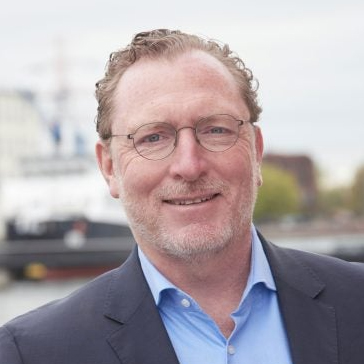
Henning Kuhlmann, managing director, Becker Marine Systems
STG: How does the development of the anti-leeway fin daggerboard reflect your company’s broader approach to innovation and problem-solving?
HK: For nearly 80 years, we have developed high-efficiency rudders. For over 20 years, we have invested in the development of hydrodynamic components in order to improve the efficiency of seagoing vessels and, with this, reduce emissions.
In 2002, we introduced rudder systems with an asymmetrical leading edge to reduce propulsion losses. In the meantime, this invention has become a standard on many vessels.
In 2008, we offered a new type of energy-saving device (Becker Mewis Duct/Becker Twisted Fin), a pre-swirl duct that is installed in front of the propeller and improves the performance of the ship by up to 8%, depending on the type of vessel.
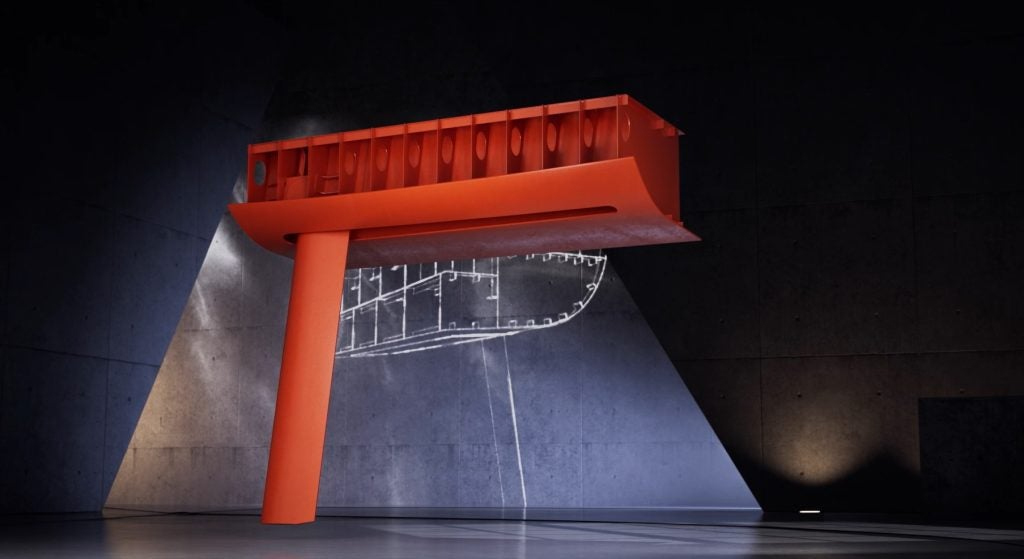
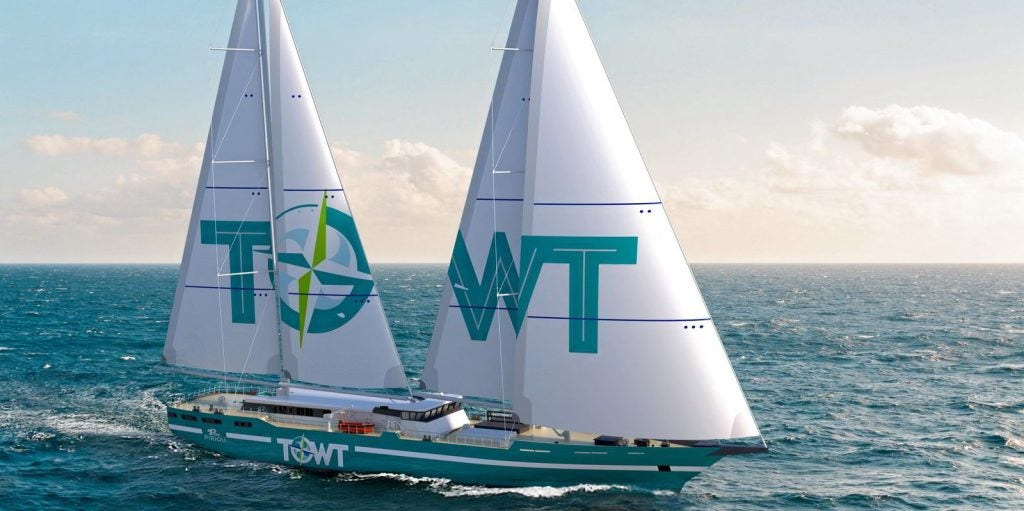
We originally explored wingsail designs, but ultimately concentrated on daggerboards because they better match our expertise in underwater hydrodynamics and propulsion systematics. The daggerboard was developed to make the best use of sail-assisted propulsion. Vessels behave differently with sails deployed, and daggerboards counteract the additional side forces, so ships sail more controlled and more efficiently.
STG: What were some of the key technical or operational challenges your team faced during the daggerboard’s development and implementation, and how were they overcome?
HK: The manoeuvring behaviour of ships is a complex issue. One cannot just change one technical feature without influencing another. Therefore, we have to take a much more holistic view of ships, and we are even developing our own software for layout and prediction. Our almost 80 years of experience with all kinds of vessels was extremely helpful.
STG: In what ways do you see wind-assisted propulsion systems evolving, and how is Becker Marine Systems positioning itself to lead in this area?
HK: Wind-assisted propulsion systems will continue to develop in the marine world. It will not be the solution for all vessels in the world, but it will find a strong place in shipping. With a clear focus on the future, BMS will continue to explore and develop solutions for the efficient operation of wind-assisted vessels.
This will definitely include closer cooperation with makers of wind propulsors, operators, weather routing, etc., and there is a big field where AI might also play an important role in optimising the compromise between transport time, route, and cost.
STG: How do you ensure that your solutions, such as the daggerboard, are adaptable to the diverse needs of different vessel types and operators?
HK: Talking to operators and all players in the market and understanding their individual technical and commercial needs is the most important issue. There is no “perpetuum mobile,” and understanding and finding the best possible compromise for each vessel type, operator, and trade route is essential.
Consequently, we have developed two different types of daggerboards. One type tilts into the hull, and another is telescopic and the angle of attack can be adjusted. If there are other requirements, we will develop a new type if needed.
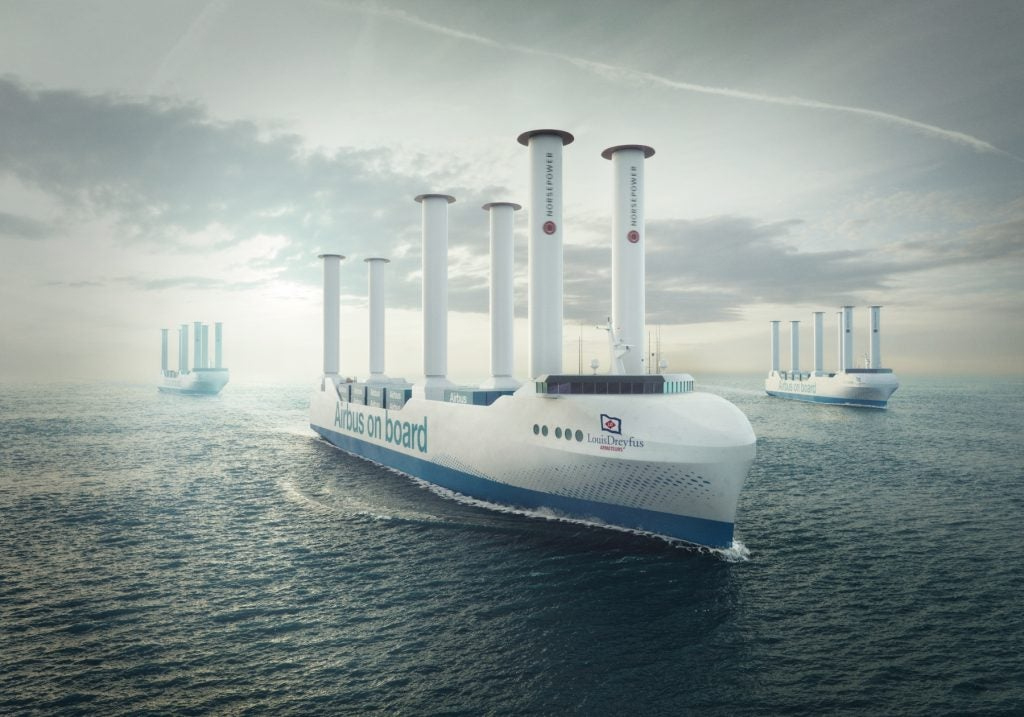
Credit: LDA
STG: Can you share insights into your company’s collaboration with shipyards, operators, and other stakeholders to promote the adoption of below-waterline solutions?
HK: Our core customers are the end users: ship owners and charterers. We very frequently discuss with them the advantages and features of our products. We want to know what the owner really expects from his vessel; sometimes the best solution is not so obvious.
For example, when the operation involves a lot of manoeuvring in rivers or in narrow areas, minimising the rudder area can be the wrong decision, although on straight courses fuel savings might be slightly better. Or when the vessel is operating more in a feeder mode, with many stops and different courses, one should select a suitable wind assistance system, which is flexible.
STG: How do you balance the need for rapid technological advancement with the practical realities of shipbuilding and fleet operations?
HK: When we see a potential or need, we will analyse if we can solve the challenges. If the answer is yes, we do not wait for subsidies or financial aid; we will invest. That, however, requires a solid business situation. Hence, regular business finances development.
STG: What role does customer feedback play in your R&D and product development processes?
HK: The feedback of our customers is extremely important. They know best what they want to improve and where they see weaknesses. Of course, technical details of our products may not interest customers as much, but if we know their demands, we can optimise our systems or develop new products. In close cooperation with customers, we developed, for example, the Becker bearing monitoring system.
Our rudder bearing is located in a very inaccessible area. Checking the condition requires a lot of effort, so to enable live monitoring and be ready for predictive maintenance, this digital measuring system helps the owner to analyse the condition of the bearing and keep service plans cost-effective.
Credit: Piriou
STG: Looking ahead, what are the main opportunities and challenges you anticipate for Becker Marine Systems and the wider maritime sector?
HK: We all have one common challenge: global warming. If we do not want to reduce the quality of life and if we want to continue international trade, we will have to make shipping and transportation greener. This will include new technologies, new fuels, and probably new materials.
There are many opportunities coming with these requirements for improved environmental shipping. However, most of the technologies do cost more, and therefore it is important that all regulations are internationally met.
STG: How would you describe Becker Marine Systems’ long-term vision, and what steps are you taking to ensure continued leadership in manoeuvring and energy-saving technologies?
HK: If we want to maintain our position as technology leaders, we have to be flexible and open-minded. We like technology, we like engineering, we are specialists in hydrodynamics, but we cannot rest. If we remain open to changes, if we stay curious and positive about technology, and if we sometimes take the risk of trying something new, we will stay ahead.
STG: Finally, what message would you like to share with your partners, customers, and the broader maritime community as you celebrate these recent achievements?
HK: Let us create a better and even more environmentally friendly shipbuilding and shipping industry. Already the old Romans knew: “Navigare necesse est” – seafaring is necessary!
About Becker Marine Systems
Becker Marine Systems is a supplier of manoeuvring systems and energy-saving devices. The company’s products are globally established and are considered the preferred choice for a variety of vessel types, such as bulk carriers, supertankers, container ships, passenger ferries, large cruise ships, and luxury yachts.
With over 75 years of experience in collaboration with the global maritime industry and the shipbuilding sector, Becker Marine Systems’ products have been installed on more than 9,000 ships worldwide. The global installations of the Becker Mewis Duct® have contributed to reducing CO2 emissions by more than 21 million tonnes.
Contact information
Becker Marine Systems
Tel.: +49 (0) 40 24199 0
Email: info@becker-marine-systems.com
Web: becker-marine-systems.com